What Should You Expect from Couples Counseling in Austin?
Quick answer: Couples counseling is a structured therapy process that typically begins with an initial assessment where both partners share their perspectives, followed by goal-setting, guided sessions, and regular progress check-ins. Most couples in Austin attend somewhere between 6 and 12 sessions, though the timeline varies with each relationship's needs.
Couples counseling is a valuable resource for relationships facing challenges, and Austin has counselors who specialize in helping partners navigate them. Knowing what to expect before your first session makes the process less intimidating—and more productive. Here's how it usually works.
How does the couples counseling process start?
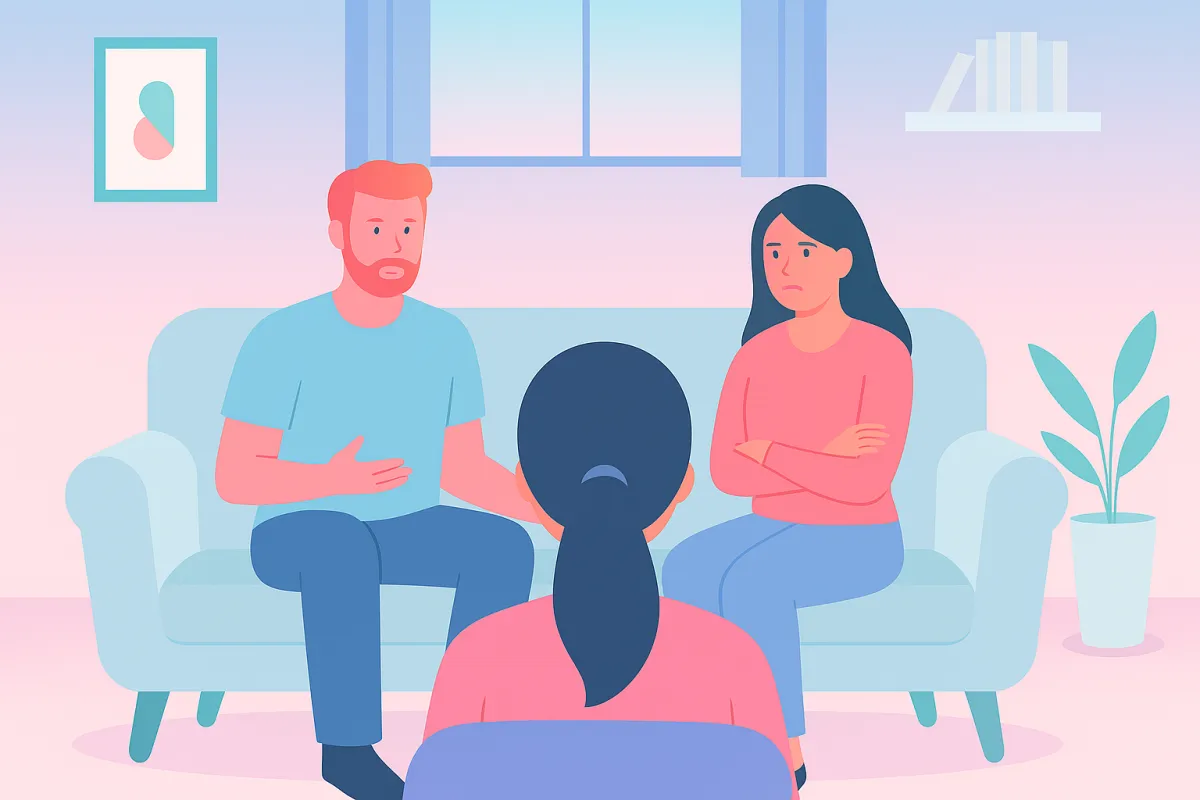
Couples counseling typically starts with an initial assessment where both partners share their perspectives, feelings, and expectations.
During this first meeting, the counselor gathers information about each partner's experiences and concerns in a supportive environment, paving the way for effective communication. As you go deeper into the process, you'll begin to identify patterns in your interactions—recognizing those patterns is crucial, because it opens up the underlying issues that may be feeding current conflicts. Expect gentle guidance aimed at fostering a deeper emotional connection between you and your partner.
Why do goals matter in couples counseling?
Clear goals guide your sessions—whether that's improving communication, resolving specific conflicts, or enhancing intimacy.
The more specific your goals, the clearer your path to achieving them. Be prepared to revisit them regularly: counseling is an evolving process, and as you progress, your objectives may shift. Keeping goals fluid allows the work to stay responsive, and openly discussing them with your partner and counselor keeps everyone aligned.
What actually happens during sessions?
Sessions typically involve open discussions, guided activities, and homework assignments designed to foster understanding and collaboration—all in a safe, non-judgmental space.
Counselors vary in approach. Some integrate role-playing exercises that let partners experience each other's perspectives firsthand, which can be eye-opening. You may also explore past experiences that shape your current interactions. Come prepared with an open heart and a willingness to share; facing challenging topics together reinforces your commitment to growth.
What is the counselor's role?
Your counselor acts as a neutral facilitator—helping both partners communicate more effectively without taking sides.
They'll guide structured dialogue or encourage spontaneous conversation, always aiming to create a balanced platform for both voices. Expect tools and resources tailored to your relationship's dynamics: communication strategies, conflict resolution frameworks, and exercises to build empathy. A skilled counselor also knows when to intervene and when to step back so you can engage authentically.
How long does couples counseling last?
On average, couples attend anywhere from 6 to 12 sessions, though duration varies widely based on the complexity of the issues and both partners' commitment.
Some couples find resolution in a few sessions; others benefit from ongoing support. Progress isn't always linear—some sessions uncover deeper issues that need more time. Ultimately, ending counseling is a collaborative decision that reflects your comfort level and the progress you've achieved together.
How is progress measured?
Through regular check-ins with your counselor that assess what's working and what needs adjusting.
These evaluations serve as checkpoints. As your relationship evolves, so will your needs—maybe communication has improved but intimacy remains a sticking point, and your counselor can recalibrate goals accordingly. Above all, celebrate small victories: acknowledging progress, however minor, reinforces the belief that change is possible.
Taking the next step in your relationship
Couples counseling can be a transformative step. With realistic expectations and a willingness to work together, you and your partner can overcome obstacles and strengthen your bond. Many Austin couples also find that mindfulness-based approaches deepen the work between sessions.
Getting started. Ready to see what counseling can do for your relationship? Our couples counseling team serves Austin in person and all of Texas online.
Frequently asked questions
Do we both need to attend every session?
Couples counseling is built around joint sessions so the counselor can work with your dynamic directly, though some counselors occasionally meet with partners individually as part of the process.
What if my partner is hesitant about counseling?
Hesitancy is common. An initial consultation is a low-pressure way to meet the counselor, ask questions, and see whether the fit feels right before committing to ongoing sessions.
Is couples counseling only for relationships in crisis?
No. Many couples use counseling proactively—to improve communication, navigate transitions, or deepen intimacy—long before problems reach a crisis point.
Get started with a therapist at Austin Mindfulness Center—in person in Austin or online across Texas.
