What Should I Expect from Couples Counseling Sessions?
Quick answer: Couples counseling is a structured form of therapy where both partners meet with a trained counselor to improve communication, resolve conflicts, and strengthen their relationship. Sessions typically begin with an assessment of your relationship history and goals, then progress into practical exercises like active listening, mindfulness practices, and between-session homework.
Couples counseling can be a great step toward improving your relationship—but walking into that first session without knowing what to expect can feel intimidating. Here's a walk-through of the typical process, from the first appointment to evaluating progress over time, so you can arrive prepared and informed.
What is the purpose of couples counseling?
The purpose of couples counseling is to create a safe space where both partners can express their feelings and thoughts without fear of judgment, with the main goals of improving communication and resolving conflicts.
That foundation makes it easier for couples to tackle tricky issues together. Every couple's challenges look different: some want to rekindle a spark, while others are navigating significant life changes. Counseling offers tools and strategies that help not just in session but in daily life—by regularly checking in with one another in a structured way, you cultivate habits of healthy communication.
What happens during your first session?
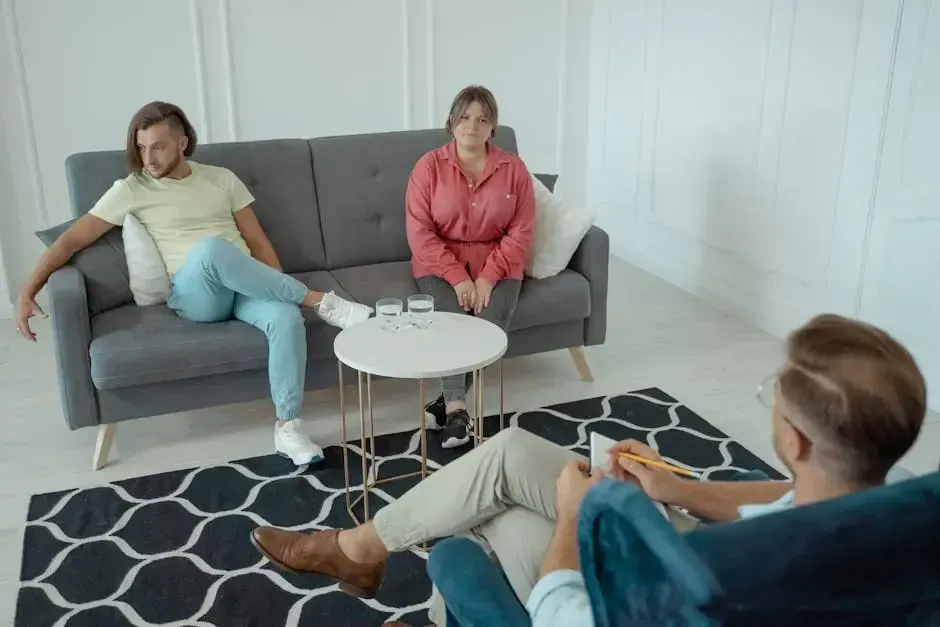
The initial session usually involves assessments, introductions, and setting expectations for the counseling journey ahead.
Your counselor will likely ask about your relationship history, your goals for counseling, and any specific areas of concern. This isn't just a formal procedure—it's your opportunity to open up about what you hope to achieve. It's common for couples to feel a mix of excitement and nervousness in that first session; remember, your counselor is there to facilitate a constructive dialogue. After introductions, you'll outline what you both want to work on, such as recurring arguments or emotional disconnects, which lays the groundwork for a tailored approach in future sessions.
What techniques do couples counselors use?
Counselors use techniques like role-playing, communication exercises, and mindfulness practices to help couples work through their issues.
A widely used method is the active listening exercise, which encourages each partner to listen without interrupting, fostering empathy and understanding. Guided imagery can offer a creative way to resolve conflicts—visualizing positive outcomes helps shift negative patterns into more supportive behaviors. Counselors also often assign homework, like journaling about feelings or practicing specific communication strategies during the week, to reinforce skills between sessions. Many of these approaches overlap with the skills taught in mindfulness-based therapy.
How do sessions progress over time?
As counseling continues, you'll dive deeper into your relationship dynamics, learning to communicate more effectively and address underlying issues.
Topics often get more candid as both partners grow comfortable with the process—sometimes surfacing longstanding issues you hadn't addressed for years. Progress isn't always linear; there are ups and downs, but embracing the journey together can strengthen your bond. Counselors typically encourage couples to keep checking in with each other outside of sessions, which cements the lessons learned.
How do you measure progress in couples counseling?
Progress is measured through regular check-ins with your counselor, using a mix of structured measures and open discussion to evaluate how the relationship is changing.
Your counselor may use surveys alongside honest conversations about how you're both feeling. It's equally important for each partner to articulate their own view of progress—setting clear benchmarks can be motivating and remind you how far you've come. Goals may also shift as life circumstances change; flexibility keeps the counseling process relevant to your evolving relationship.
Approaching couples counseling with an open mind
Couples counseling is a valuable opportunity for partners to reconnect and understand each other better. Knowing what to expect—assessment, practical techniques, gradual deepening, and regular progress checks—lets you approach sessions with an open mind and a willingness to grow together.
Getting started. If you're ready to strengthen your relationship, our couples counseling team in Austin can help—in person or through online therapy across Texas.
Frequently asked questions
Do we need to be in crisis to start couples counseling?
No. Some couples come to rekindle connection or navigate life changes, not just to resolve conflict. Counseling builds communication habits that help at any stage of a relationship.
What if I feel nervous about the first session?
That's completely normal—most couples feel a mix of excitement and nervousness at first. Your counselor's job is to facilitate a constructive, judgment-free dialogue, and the first session is mostly introductions and goal-setting.
Will we get homework between sessions?
Often, yes. Counselors may assign journaling or specific communication exercises to practice during the week, which helps reinforce the skills you learn in session.
Get started with a therapist at Austin Mindfulness Center—in person in Austin or online across Texas.
