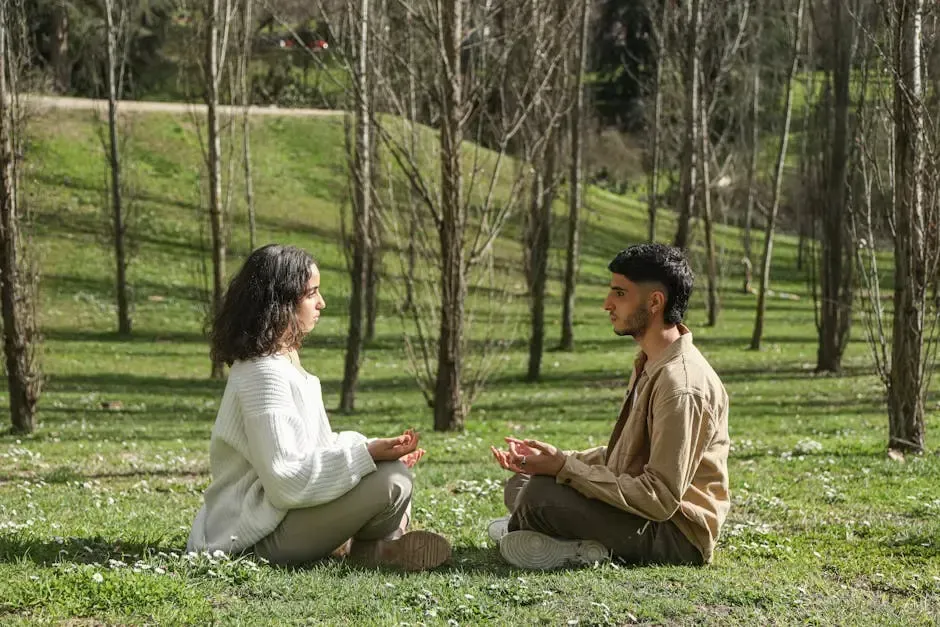
How does mindfulness complement Austin couples therapy?
Quick answer: Mindfulness is the practice of being fully present and engaged in the moment without judgment. In Austin couples therapy, mindfulness complements the therapeutic work by improving emotional awareness, calming reactivity during hard conversations, and helping partners listen and respond with intention instead of defensiveness.
Mindfulness is increasingly recognized as a powerful tool in relationships, especially within the context of Austin couples therapy. By fostering present-moment awareness and emotional regulation, mindfulness techniques can enrich the therapeutic experience for couples navigating their challenges. Here's how the two work together.
What is mindfulness?
Mindfulness is being fully present and engaged in the moment, observing your thoughts and feelings without judgment and without trying to change them.
That observation leads to a deeper understanding of your own emotional landscape—vital in a partnership. Mindfulness also teaches couples to cultivate patience and self-kindness, which fosters a more compassionate atmosphere for both partners. As a couple becomes more aware of their thoughts and feelings, they can begin to recognize patterns that may be hurting the relationship. That awareness is the first step toward transformation.
How does mindfulness fit into couples therapy?
In Austin couples therapy, mindfulness techniques help partners better understand their own emotions and responses, facilitating deeper connection.
Therapists trained in mindfulness guide couples through exercises that promote focus on the present moment—when distractions fall away, dialogue becomes more meaningful. Practicing mindfulness in session also lets couples explore emotional triggers in a safe environment, often producing insights that help resolve conflicts before they escalate.
Can mindfulness improve how we communicate?
Yes—mindful communication means active listening and empathetic response, so each partner feels genuinely heard.
When both individuals are present, they can share vulnerabilities without fear of judgment, and that safety encourages honesty. Perhaps the biggest shift is learning to respond rather than react: instead of defaulting to an emotional reflex, couples learn to pause and choose their words with intention.
How does mindfulness build emotional intimacy?
By encouraging the vulnerability and openness that intimacy and trust are built on.
Through mindfulness, couples learn to share their innermost thoughts and feelings, creating connection deeper than surface-level interaction. This intimacy builds gradually, with each partner supporting the other through uncertainty—and it deepens when partners practice mindfulness exercises together, reinforcing their bond.
What mindfulness exercises can couples try?
Start simple: mindful breathing, guided partner meditations, and mindful walks together.
Mindful breathing can be practiced anytime—in a therapy session or at home—and quickly grounds partners during tense discussions. Guided meditations designed for couples help you explore feelings and experiences side by side. Even a mindful walk around your Austin neighborhood creates connection outside the therapy room. These are core practices in our mindfulness-based therapy approach.
Mindfulness and couples therapy, together
Integrating mindfulness into Austin couples therapy gives partners a unique way to enhance emotional connection and communication. Practicing presence lets couples address issues with empathy and understanding—ultimately leading to a healthier partnership.
Getting started. Curious what mindfulness-based couples work could do for your relationship? Our couples counseling team blends these approaches every day.
Frequently asked questions
Do we need meditation experience before starting mindfulness-based couples therapy?
No. Your therapist introduces simple practices like mindful breathing step by step—no prior meditation experience is required.
Can we practice mindfulness outside of therapy sessions?
Yes, and it's encouraged. Mindful breathing during tense moments, partner meditations, and mindful walks together all extend the benefits of therapy into daily life.
Does mindfulness replace couples therapy?
No—it complements it. Mindfulness strengthens the awareness and emotional regulation that make therapeutic work more effective, but the guided work with a trained couples therapist remains central.
Get started with a therapist at Austin Mindfulness Center—in person in Austin or online across Texas.
