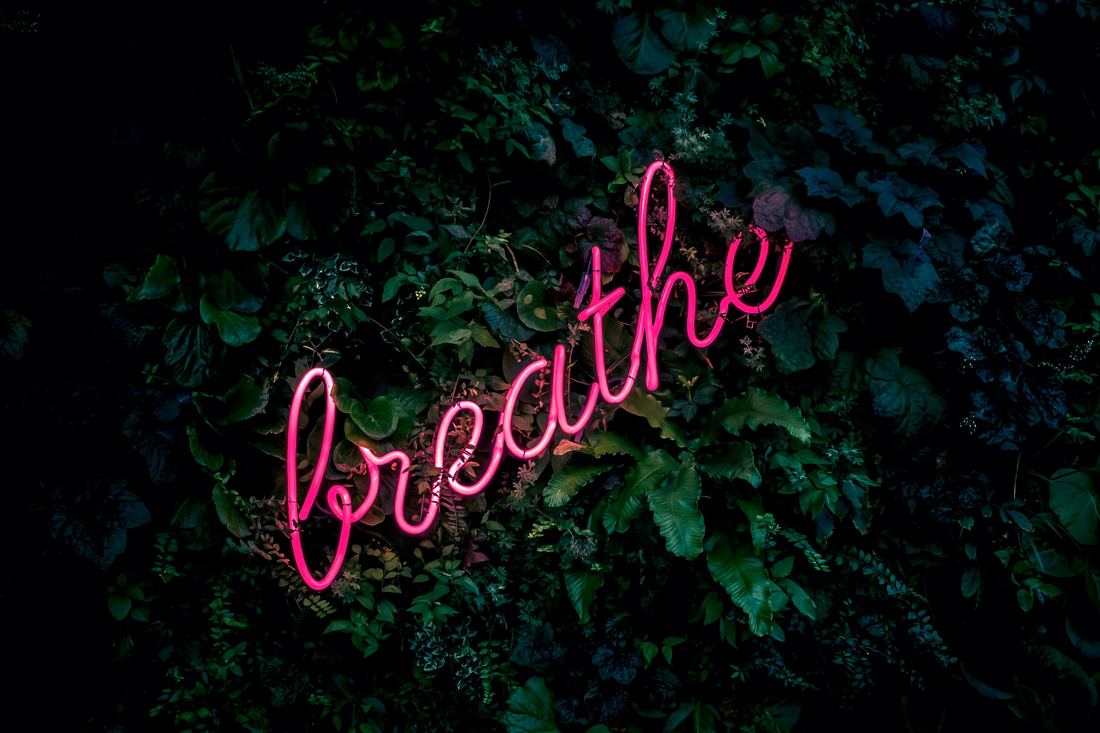
Breathe Into It: Using Mindfulness to Create Change
Quick answer: Mindfulness—often called "inner strength training"—is the practice of paying attention to what is, on purpose, in the present, without judgment. Using the BREATHE framework from psychologist Patricia Broderick's Learning to Breathe curriculum, you can build skills in body awareness, thought reflection, emotional acceptance, attention, tenderness, and healthy habits of mind to create meaningful, lasting change.
As a Counselor Intern seeing clients at the Austin Mindfulness Center on weekends and counseling young adults with learning exceptionalities during the week—many diagnosed with autism, ADHD, or anxiety—I've noticed my students and clients share some of the same challenges: acceptance of self and others, waking from the trance of unworthiness and "not enough-ness", embracing life on its terms, fostering healthy relationships, and taming distractibility. When our students were surveyed about group themes, they chose mindfulness. Here's the BREATHE framework I use to teach it—useful whether you're a teen or an adult.
What does "body" have to do with mindfulness?
The body is an easily accessible tool for cultivating mindfulness—attending to the breath and physical sensations anchors you in the here-and-now.
Practices like the body scan, yoga, Tai Chi, walking meditation, dance, or martial arts encourage present-moment focus, leaving the past and worries about the future behind. On your own, notice the color, temperature, texture, intensity, and location of physical sensations without judging them or getting pulled away by noisy self-talk. Take your time, soften toward uncomfortable sensations, and listen to your body.
How do I work with repetitive, unhelpful thoughts?
By "distancing from thoughts"—noticing them and questioning their truthfulness and workability instead of automatically believing them.
Our thinking is never-ending, and much of it is repetitive and unhelpful. While thoughts may seem automatic, we always have the choice whether to stick with them. Popular practices for allowing and then defusing from thoughts and stories—especially those that trigger unpleasant emotions or lead us to hurt ourselves and others—include open inquiry, "The Work" of Byron Katie, and especially meditation.
How do I approach difficult emotions mindfully?
Recognize emotions as "energy surges" or waves in the ocean—greet them with attention and acceptance, and watch them come and go with patience and self-compassion.
You can't heal what you can't feel. The next time a difficult emotion arises, PAUSE. Recognize and allow what you're feeling; ask, "What is happening right now?" and "Can I let this be?" Name the feeling (sad, angry, scared), retreat to a private space if possible, resist complaining or blaming others, and let the feeling come, intensify, and pass away. Afterwards, notice: you survived. If certain feelings regularly resurface over a long period, consider reaching out for ongoing support—that's exactly what individual counseling is for.
How can mindfulness improve my attention?
Through single-tasking—dedicating as much focus as possible to what you're doing in this moment.
Paying attention combines conscious intention with disciplined effort. Helpful practices include active listening, eliminating distractions, working in a quiet environment, mindful eating, candle-gazing meditation, setting aside blocks of time for tasks, and taking time-outs.
What is tenderness, and why does self-compassion matter?
Tenderness means treating yourself with kindness, compassion, and self-care—without letting yourself off the hook.
According to Dr. Kristin Neff, author of Self-Compassion: The Proven Power of Being Kind to Yourself, self-compassion has three components: self-kindness, common humanity, and mindfulness. Self-kindness means caring for yourself the way you'd care for a struggling friend; common humanity connects you with imperfect fellow humans; mindfulness takes a balanced, accepting approach to difficult emotions. The rewards include a more stable sense of self, self-worth even in failure, less depression, stress, anxiety, and perfectionism—and more harmonious relationships, because we become more forgiving and accepting of others too.
How do I build healthy habits of mind?
Through consistent practice over time—choosing the mindfulness practices that appeal to you and following through.
Ask yourself: What have I learned about mindfulness? How could I use it? What can remind me to be more mindful daily? It helps to schedule practice time, take classes, connect with others who share an interest in mindful living, and use books and other resources. Working with a therapist trained in mindfulness-based therapy can also keep the practice on track.
Empowerment: breathing into change
Mindfulness empowers us, gives us an inner edge, and helps us be our best selves. Commit now to at least one method—embodiment practices, defusing from troubling thoughts, establishing emotional equanimity, mastering attention, or softening into self-compassion. With these skills you can break out of old patterns, build greater well-being, and live the fullest expression of who you are.
Getting started. Want support building your own mindfulness practice? Our mindfulness therapy team works with adults and teens in Austin and online across Texas.
Frequently asked questions
What does the BREATHE acronym stand for?
It's psychologist Patricia Broderick's mindfulness framework covering Body awareness, Reflections (thoughts), Emotions, Attention, Tenderness (self-compassion), Habits of a healthy mind, and Empowerment.
Is mindfulness only for adults?
No. The Learning to Breathe curriculum was designed for adolescents, and the same practices—body scans, thought defusion, emotional acceptance, and attention training—work for teens and adults alike.
What are the three components of self-compassion?
Per Dr. Kristin Neff: self-kindness (caring for yourself as you would a friend), common humanity (remembering everyone is imperfect), and mindfulness (a balanced, accepting approach to difficult emotions).
Get started with a therapist at Austin Mindfulness Center—in person in Austin or online across Texas.
